Bunkies for Sale: The Complete Buyer’s Guide to Backyard Bunkies
Looking for bunkies for sale? Whether you need extra sleeping space for guests, a cozy retreat at the cottage, a home office, or a private getaway in your own backyard, a bunkie is one of the most affordable and versatile small structures you can add to your property. This guide covers everything you need to know before you buy — from what a bunkie actually is, to pricing, sizes, permits, and how to choose the right one for your needs.
What Is a Bunkie?
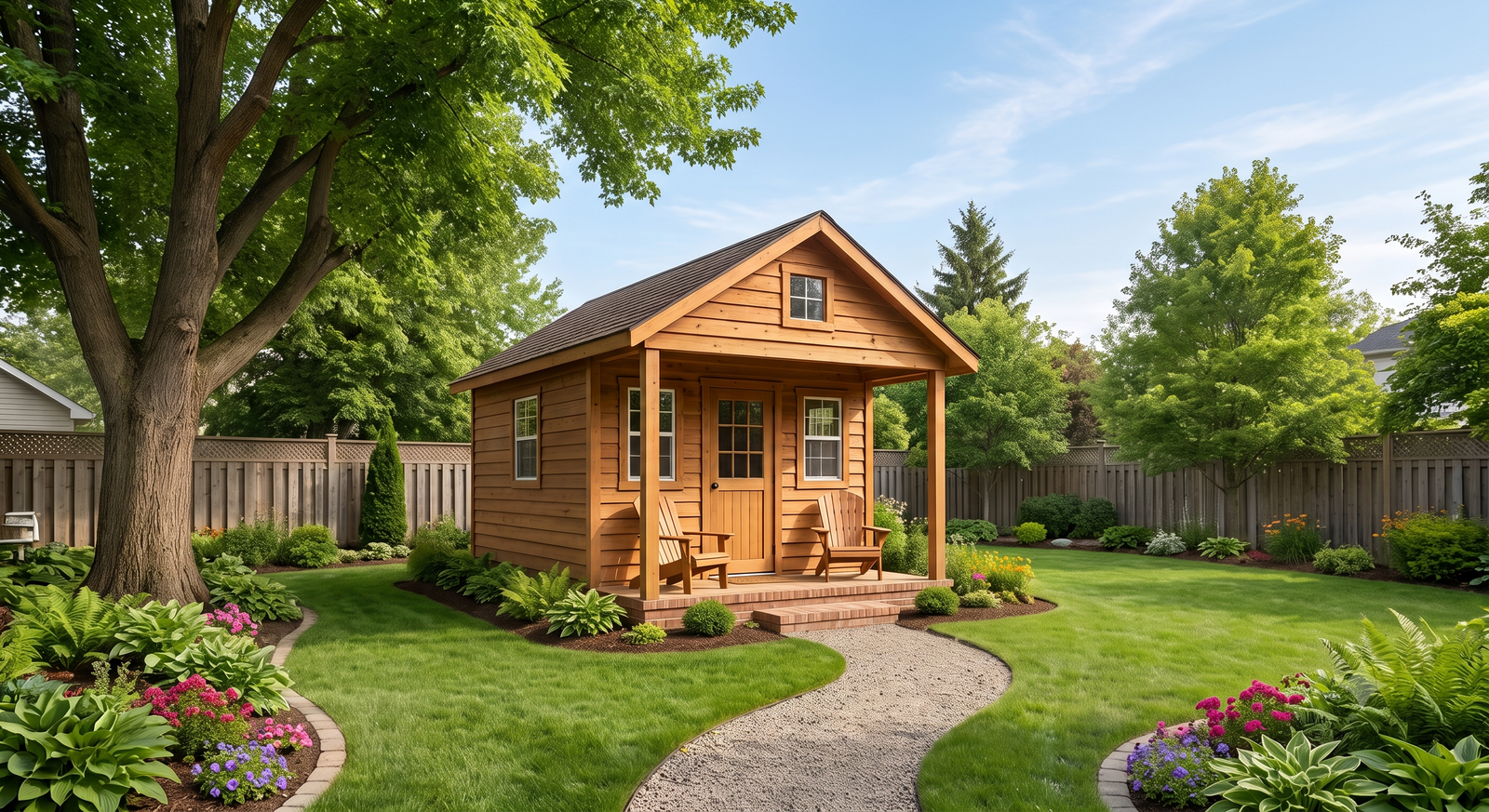
A bunkie is a small, freestanding cabin-style structure, typically used as supplemental sleeping or living space on a residential or cottage property. The term is especially popular in Canada, where “bunkie” originated as cottage-country slang for a compact bunkhouse — a simple structure separate from the main cottage where family and guests could sleep.
Today, bunkies have evolved far beyond basic bunkhouses. Modern bunkies for sale range from rustic, no-frills sleeping cabins to fully finished mini-homes complete with insulation, electrical wiring, windows, and even bathrooms.
Why Buy a Bunkie?
There are several reasons homeowners and cottage owners are drawn to bunkies:
- Extra space without a full addition. A bunkie adds usable square footage without the cost and disruption of renovating or expanding your main house.
- Guest accommodations. Perfect for hosting family, friends, or renters without giving up your own space.
- Flexible use. Bunkies work well as home offices, art studios, home gyms, kids’ playhouses, or private retreats.
- Faster build time. Many bunkies are sold as prefabricated or panelized kits, meaning they can be installed in days rather than months.
- Lower cost than a full addition. Bunkies are typically far more affordable per square foot than a traditional home extension.
- Potential rental income. Some owners rent out their bunkie as a short-term guest suite.
Types of Bunkies for Sale
When browsing bunkies for sale, you’ll generally come across a few different categories:
1. Prefabricated (Prefab) Bunkies
Built off-site in a factory and delivered as a complete or near-complete unit. These are fast to install and often come with finished interiors, insulation, and wiring already in place.
2. Panelized Bunkie Kits
Delivered in wall panels or sections that are assembled on-site. These offer a good balance between customization and quick construction, and are popular with DIY-minded buyers.
3. Custom-Built Bunkies
Designed and constructed to your exact specifications by a local builder. These cost more and take longer but allow full control over layout, finishes, and size.
4. Bare-Bones/Rustic Bunkies
Simple, unheated structures meant purely for sleeping — think four walls, a roof, a door, and a window or two. These are the most budget-friendly option.
How Much Do Bunkies Cost?
Pricing varies widely depending on size, materials, and level of finish. As a general guide:
| Bunkie Type | Approximate Price Range |
|---|---|
| Basic/rustic shell (unfinished) | $3,000–$10,000 |
| Prefab or kit bunkie (basic finish) | $8,000–$20,000 |
| Insulated, wired bunkie | $15,000–$35,000 |
| Fully finished bunkie with plumbing | $30,000–$60,000+ |
| Custom-built luxury bunkie | $50,000 and up |
Additional costs to budget for include site preparation, a foundation or piers, delivery/crane fees (for prefab units), electrical hookup, and permit fees.
Popular Bunkie Sizes
Most bunkies fall between 100 and 400 square feet, since many municipalities allow smaller accessory structures to be built without a full building permit (though this varies by location — always check locally). Common sizes include:
- 8′ x 10′ to 10′ x 12′ – Compact sleeping cabins, ideal for one or two people
- 12′ x 16′ to 12′ x 20′ – Popular mid-size option with room for a small kitchenette or sitting area
- 16′ x 24′ and larger – Approaches a full guest cottage, often requiring permits and more robust foundations
What to Look for When Buying a Bunkie
Before purchasing, consider the following:
- Local zoning and building codes. Requirements for accessory structures vary significantly by municipality and property type (rural vs. urban, waterfront vs. inland). Confirm setback requirements, maximum size allowances, and whether a permit is needed.
- Insulation and season of use. If you plan to use the bunkie year-round, look for proper insulation, a heating source, and weatherproofing — not just a summer-only structure.
- Foundation type. Options include concrete piers, helical piles, skids, or a full slab. Your choice affects both cost and permanence.
- Electrical and plumbing needs. Decide upfront whether you want power, water, or just a simple unpowered space.
- Delivery and site access. Prefab units need a clear path for delivery trucks or cranes — narrow driveways or wooded lots may require a panelized or on-site build instead.
- Warranty and builder reputation. Look for manufacturers or builders with strong reviews, clear warranties, and transparent pricing.
Where to Find Bunkies for Sale
Bunkies are sold through several channels:
- Specialty bunkie and cabin manufacturers who offer standard models or customizable floor plans
- Local carpenters and small-structure builders for fully custom designs
- Shed and outbuilding companies that have expanded into finished bunkie lines
- Online marketplaces for used or relocated bunkies
When comparing sellers, request detailed quotes that break down materials, delivery, foundation work, and any finishing options so you can compare like-for-like.
Final Thoughts
A bunkie is one of the most practical ways to add functional living space to a property without the cost and complexity of a home addition. Whether you want a simple rustic sleeping cabin or a fully finished mini-cottage, there’s a bunkie for sale to match nearly any budget and use case. Start by defining your primary purpose — guest space, rental income, home office, or retreat — then narrow down size, finish level, and builder based on your local regulations and budget.

